
TYPE: Case File
SERIES: Visual Experiments
FILE NO: 001
TITLE: Enter My Mind
SUBTITLE: Hommage to Gaspar Noé
As a developer and experimenter, I use many different tools: C++ code, Unreal Engine, lighting, Photoshop, music, AI, Blender, Premiere Pro, and many other instruments. But a list of tools does not explain the person behind them. It does not show the inner structure. It does not show the taste, the obsession, or the direction.
So I started asking myself a different question:
How can I describe myself without simply describing tools?
How can I show the system behind my mind without turning it into a standard project showcase?
After some time, I returned to two of my oldest fascinations: cinema and typography. They were probably one of my first creative entry points many years ago, but for a long time they remained only hobbies — something I loved, but did not fully understand how to use, structure, or transform into a real project.
At that moment, I understood that these two mediums could become the language of the website itself.
The first reference that came to mind was Gaspar Noé’s Enter the Void. His cinema has had a strong influence on my visual taste — especially the use of typography, aggressive rhythm, hypnotic motion, neon color, and sensory overload. The opening credits of Enter the Void remain one of the strongest title sequences I have ever seen.
From that point, I stopped treating Enter the Void only as an inspiration and started treating it as a visual system to analyze: typography, rhythm, color, motion and perception.
That analysis became the foundation for my own visual language — strongly inspired by Noé’s energy, but redirected toward my own identity.
REFERENCE 01
Enter the Void — Opening Title Sequence
"DISSENT"
"MYTHOLOGY"
The central question was simple:
What words can describe the architecture of my mind without becoming a biography?
I divided the words into four main families. Each family answers a different question.
Question: Who are you?
Discipline,
Leadership
Control,
Fire
Strategy,
Flow,
Architect Mindset,
Vision,
Focus
Question: What do you create?
Game Design,
Technical Design,
System Architect,
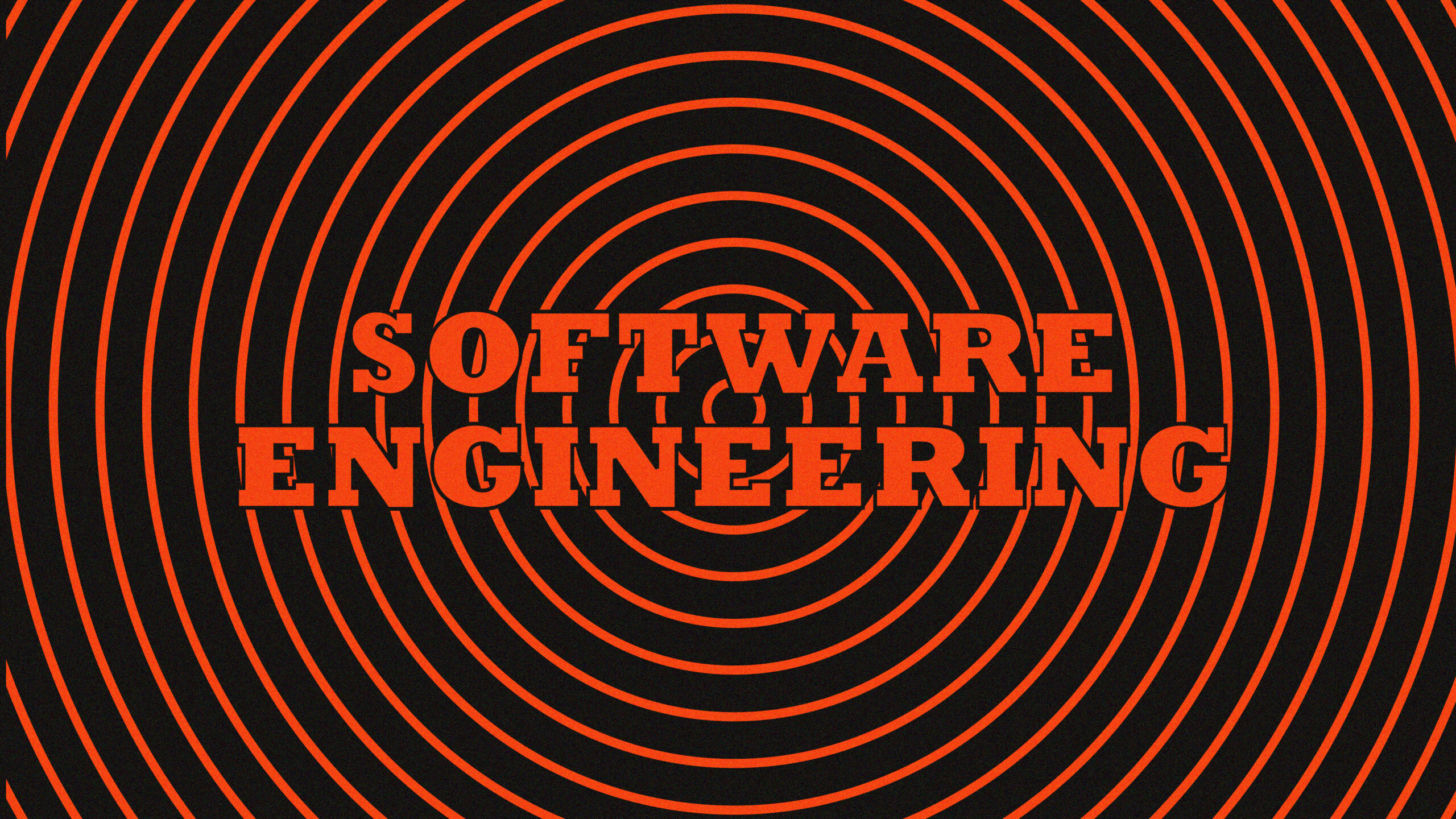
Software Engineering,
Impact,
Play as Philosophy
Question: What do you believe in?
Philosophy,
Futurism, Freedom
Transhumanism
Consciousness
Hyper Civilization
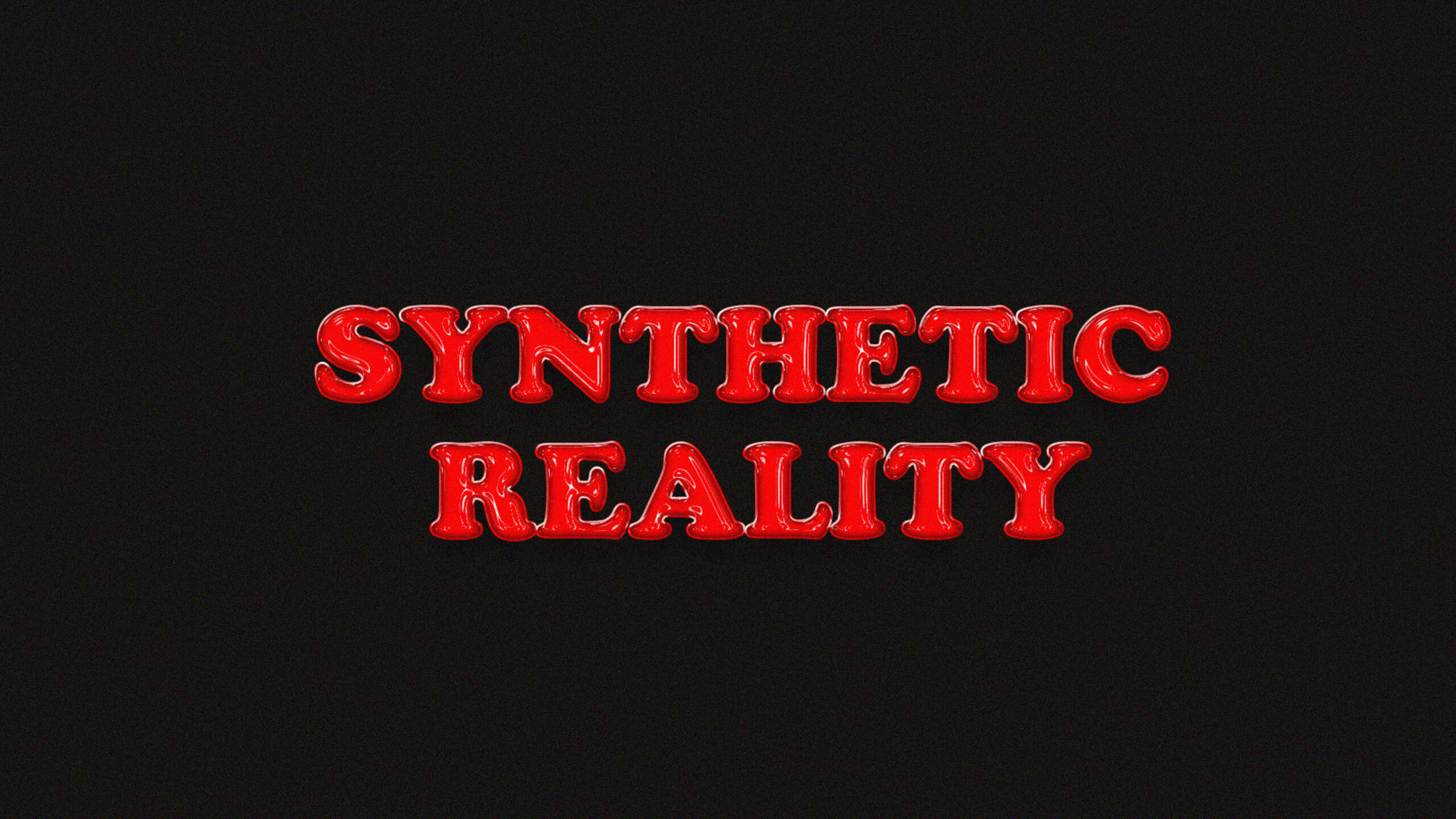
Synthetic Reality
Metaverse
Exploratory Science
Knowledge Evangelism
Question: What moves you?
Dream
Mythology
Lore
Legacy
Duality
Paradox
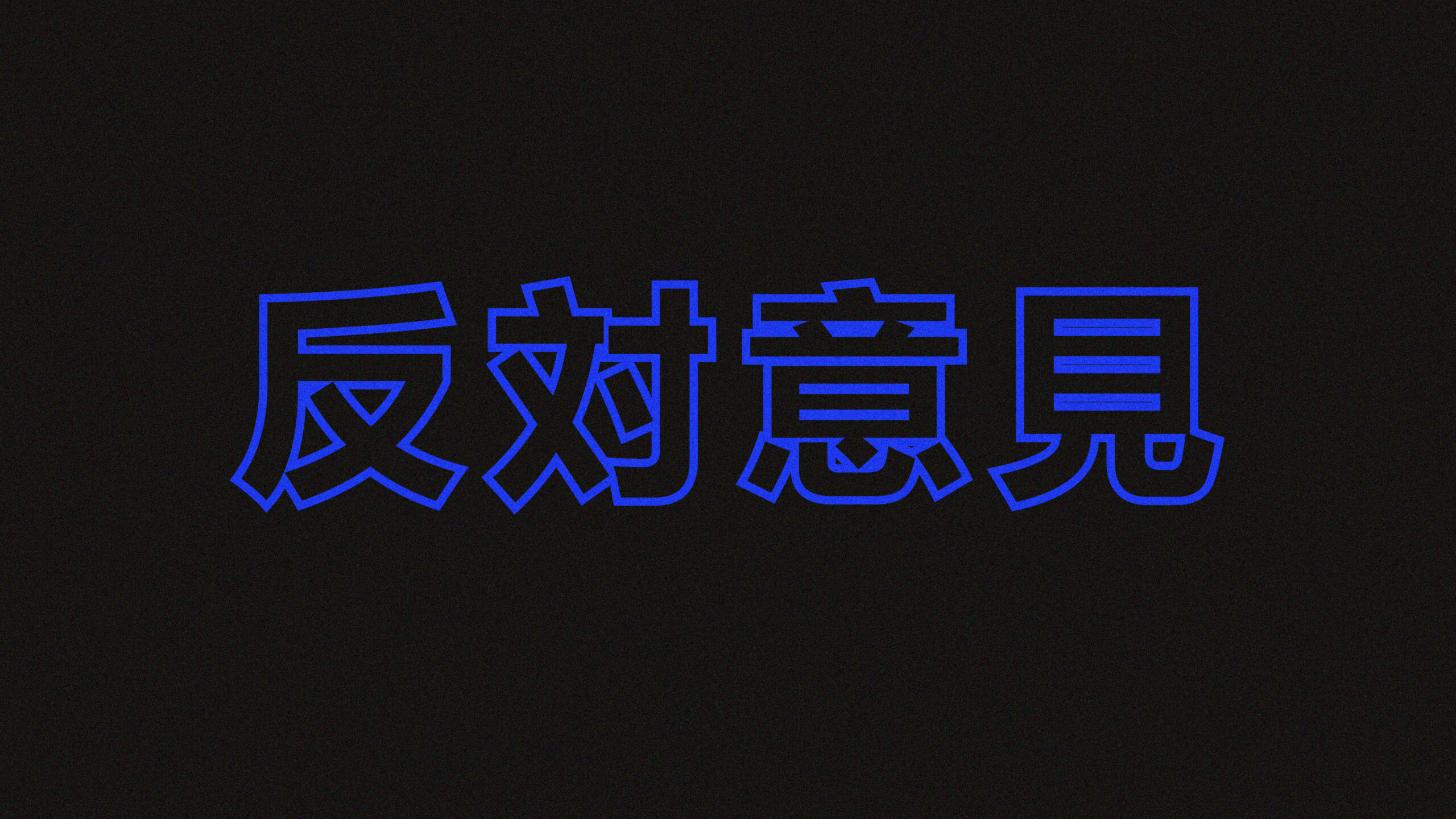
Dissent
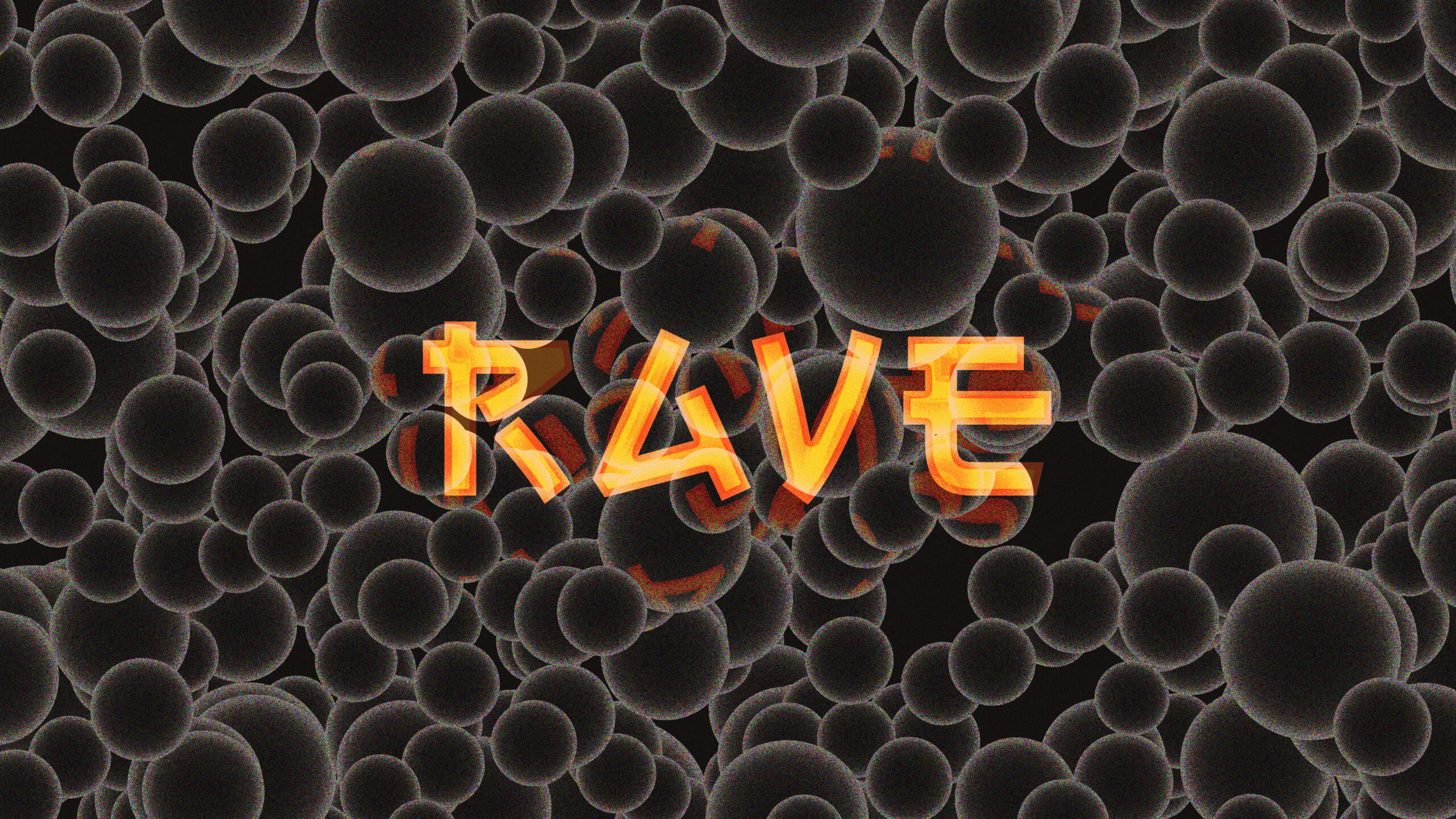
Rave
Creative Drive
I use a predefined color palette for all my visual work. It makes the process faster, keeps the style consistent, and helps my personal visual language become more recognizable over time.
For this project, the palette was not only a practical decision. It also created a controlled visual environment where typography, motion, and rhythm could become the main expressive tools.
The more interesting experiments happened around global rhythm and word timing.
The video had to stay short, and therefore fast, to fit all the selected words into the sequence. But the original rhythm of Noé’s opening credits was too aggressive for this project. If I followed it too closely, the text would become difficult to read.
At the same time, different words require different reading time. A short word like FLOW can disappear almost instantly. A longer phrase like KNOWLEDGE EVANGELISM needs more time on screen. But if every word had a completely different duration, the whole video would lose its global rhythm.
The music gave me a rhythmic grid, and the words had to live inside it.
So I built a small timing system around four main parameters:
GLOBAL RYTHM — the general speed and pulse of the video.
WORD LENGTH — how much time each word needs to be readable.
RHYTMIC GRID — the time structure created by the music and its beat intervals.
MAX TIME DEVIATION — the allowed difference between word durations before the rhythm starts to feel broken.
The goal was to keep the video fast, but still readable. Systematic, but not mechanical.
The word order was not random either.
I mixed the word families roughly evenly, so the video would not become dominated by only one category. At the same time, I kept a controlled amount of randomness to make the sequence feel alive rather than fully mathematical.
Each word also has its own number of repetitions. This was based on my subjective feeling of how strongly each word represents me. As a result, the structure became neither fully systematic nor fully chaotic.
The same principle was used for the visual style of the words.
Animation, font, size, and color were not chosen randomly. Each word was designed separately in Photoshop and After Effects, with its own visual behavior.
That was one of the main goals of the project: to combine systematic thinking with personal sensation. Controlled randomness inside a visual system.
A few days after choosing this direction, I noticed an exhibition in Prague called Enter the Room, with a large acid-red poster that immediately reminded me of Noé’s visual language.
Shortly after that, during a conversation with an ex-colleague, I found out that the Enter the Void opening credits were used as an example in a typography course at an art school in Prague.
That removed my last doubts. The reference was not only personal. It was readable. It belonged not only to film fans, but also to people who study visual language professionally.
I do not literally believe that the universe sends messages. But during creative work, coincidences can become useful psychological tools. They create momentum when the mind is stuck between too many possible directions.